Native Americans in Montana are dying from Covid-19 at a rate 11 times higher than white residents. “I have no stomach to talk about this abstractly; my community has been hit hard,” said Sharon Stewart Peregoy, a Democratic state representative and member of the Crow Tribe. “Even today, I just … [Read more...]
For tribes, climate change fight is about saving culture
The Tulalips are expanding efforts to protect land and water that are integral to their identity. When Terry Williams grew interested in climate change in the 1970s, he found information about human-caused global warming to be conflicting and confusing. “It didn’t make sense until the early … [Read more...]
Salmon spawn in the upper Columbia after an 80-year hiatus
Bringing salmon back to the Upper Columbia has been a goal since the habitat was blocked by the Chief Joseph and Grand Coulee dams more than eight decades ago. Tribal members held the Ceremony of Tears 80 years ago when the final run of salmon returned. “Our ancestors carried a prayer that our … [Read more...]
Trump Admin Is Rushing to Mine Sacred Tribal Land in Arizona
In yet another attack on the environment before leaving office, the Trump administration is seeking to transfer ownership of San Carlos Apache holy ground in Oak Flat, Arizona, to a copper mining company. The administration pushed to finish the environmental review process, a necessary step to … [Read more...]
Thanksgiving Legacy – Take Action to Build Indigenous Power
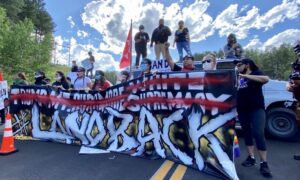
(If anyone knows of UU congregations or allies and partners who are planning to participate in any landback program, please email Deb Cruz (dwcruz@comcast.net) and Susan Leslie (SLeslie@uua.org).) Republished from Sunrise For many Native Peoples, Thanksgiving is a complex day. For some, we use … [Read more...]
US Army Corps of Engineers rejects Pebble Mine permit application, likely killing project
On Wednesday, 25 November, the U.S. Army Corps of Engineers denied the permit application for the proposed Pebble Mine, an open-pit copper, gold, and molybdenum extraction project proposed for the headwaters of Bristol Bay, Alaska – North America's most prolific salmon habitat. The Corps … [Read more...]
Seven Native American Chefs Share Thanksgiving Recipes
To the original peoples of this continent, each day is a day to give thanks to the Creator. Thanksgiving ceremonies have always taken place when Native people have gathered. Food and feasts often serve as a focal point of these ceremonies. This Thanksgiving, we’ve asked seven Native American chefs … [Read more...]
Western WA Fellowship of Reconciliation Fall Retreat, November 21, 2020
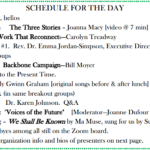
What's Next: Moving Into the Great Turning WWFOR Fall Retreat, November 21, 2020 Register Here If you have already registered, but have NOT received the login information by email, then click the link above and register again! Computer gremlins have prevented us from tracking registrations … [Read more...]
As Tulalip elders die from COVID-19, tribes lose more than family
The coronavirus continues to impact the daily life of people around the world, but two groups have been particularly susceptible: seniors and Native Americans. In May, the Navajo Nation surpassed New York to log a higher infection rate per capita than any U.S. state at the time. Washington has 29 … [Read more...]
Eleven Alaska Native tribes offer new way forward on managing the Tongass
. . . In the end, Anderson and the tribal official she went with made it to the meeting and were able to hear directly from the Forest Service and speak with the other tribes present. Still, Anderson’s experience exemplifies the federal government’s long-running failure to adequately work with … [Read more...]
Election ‘Wins’ Voting Rights Experts in Indian Country Are Excited About Right Now
Voter suppression is still a major issue across Indian Country, with voter ID laws, address requirements and scant polling places making it harder for American Indians and Alaska Natives to cast their votes. However, Indian Country also has something to celebrate this election season: courts have … [Read more...]
Action of Immediate Witness (AIW) calls for congregations to research, identify, and acknowledge Indigenous peoples
Do you know the history of the land your congregation calls “home?” Do you know what Indigenous people historically or currently inhabit that land? Do you know who the Indigenous people or communities are who live in your area or region and what their visions and struggles are? Are you … [Read more...]
Yakama Nation case could set precedent for sacred tribal sites in WA
Wanapine village, which sits on a ridge in Selah, a small town bordering Yakima to the north, has been mired in the court system for years. The Yakama Nation has been battling Yakima County and Granite Northwest, which seeks to expand its gravel mine from 26 acres to more than 160. Yakima … [Read more...]
Honoring the Life & Legacy of John Trudell
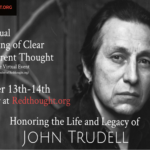
A Free Virtual Event October 13th - 14th More Information Here:1st Annual Gathering of Clear & Coherent Thought (must have active membership & registration for Redthought.org Join us for a unique Gathering Honoring the Life & Legacy of one of the Greatest Thinkers of Our Time John … [Read more...]
Harvest the Power 2020-Commit to a Season of Collective Action and Faith Formation
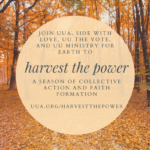
On October 1st, the Harvest Moon will rise shortly after sunset in the Northern Hemisphere. This burst of evening light provides an extended time for farmers to harvest summer crops and plant new seeds for the Fall Season. What and how have you grown this summer --- personally, in connection to … [Read more...]
The Forgotten Boy at Carlsbad Caverns
When my colleague Jerry first learned about Carlsbad Caverns National Park, he came across a tale about the caverns’ discovery. A 16-year-old named James White and a “Mexican friend” climbed down a hole in the ground in 1898, he learned, and the two began mapping one of the largest cave systems in … [Read more...]
Pebble Mine CEO resigns after recorded comments released
The head of a proposed copper and gold mine near a prime Alaska salmon fishery has resigned after covertly filmed videos showed him talking about elected and regulatory officials and unreleased plans for the huge project. Northern Dynasty, owner of Pebble Limited Partnership, announced the … [Read more...]
Judge says 2020 census must continue for another month
A federal judge has stopped the 2020 census from finishing at month's end and suspended a year-end deadline for delivering the numbers needed to decide how many seats each state gets in Congress. The preliminary injunction granted by U.S. District Judge Lucy Koh in California late Thursday orders … [Read more...]
3 New Environmental Docs to Watch This Fall
Ecowatch Recommendations: Kiss the Ground: Between wildfires devastating the U.S. West Coast and storms battering the Gulf, the impacts of the climate crisis can feel overwhelming right now. Kiss the Ground offers an alternative to all of the bad news by focusing on solutions. The film, … [Read more...]
We lose more than salmon and orcas to the Snake River dams
My traditional name is O’ĉ’si’ii (oh cha see ee) and in my Qwidičča ɂ-tx (qua ditch cha uth) Makah language, it means “Lady of the Sea” or “Protector of the Sea.” If Tahlequah’s new calf and my family’s way of life are going to survive, we have to protect salmon. Returning to abundant salmon is … [Read more...]
- « Previous Page
- 1
- 2
- 3
- 4
- 5
- …
- 15
- Next Page »